Venterra VAST – Acoustic Modelling
Learn how INSPIRE and Venterra use VAST, our 3D numerical physics based acoustic model, to predict underwater noise with industry-leading precision.
Linking exposure modelling to species-specific vulnerability.

INSPIRE transforms advanced acoustic modelling into clear, defensible biological risk assessments. Our integrated framework evaluates species vulnerability, exposure severity, spectral sensitivity, cumulative context, and uncertainty—so decisions are based on real ecological consequences, not just sound thresholds.
We assess population status, seasonal habitat use, hearing sensitivity, behavioral response potential, injury criteria, and construction sequencing to characterize risk in a transparent, repeatable way. By explicitly addressing cumulative effects and uncertainty, we strengthen regulatory defensibility, support proportionate mitigation, and reduce review delays.
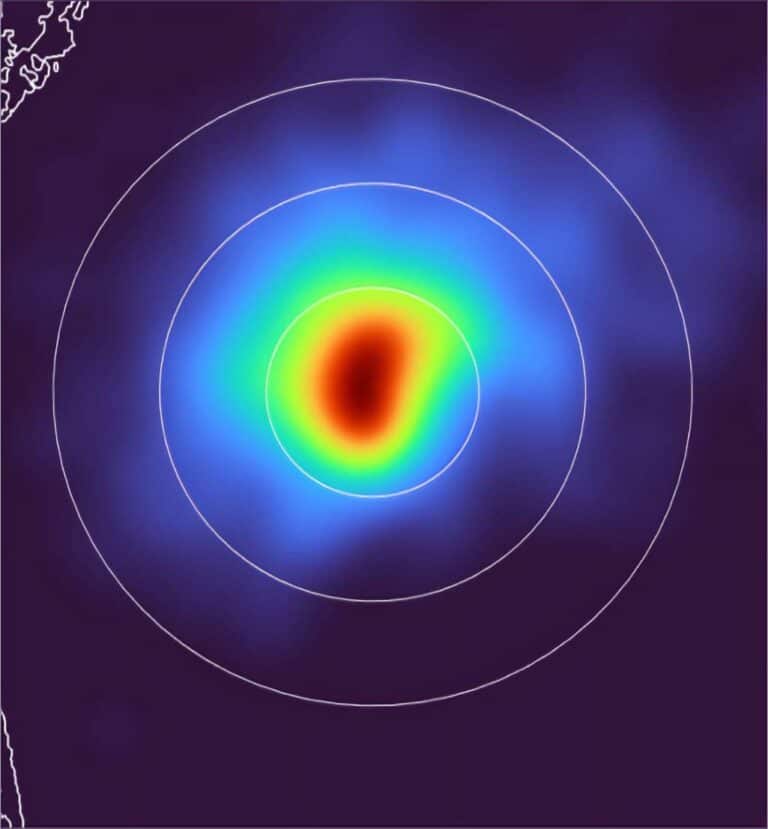
INSPIRE defines biological risk by integrating species vulnerability, realistic exposure modelling, and frequency-dependent sensitivity. We evaluate population status, seasonal habitat use, hearing capability, and existing stressors, then quantify exposure using both pressure and particle motion metrics, injury thresholds (peak and SEL), and construction timing. Our spectral analysis examines overlap with functional hearing groups and potential communication masking—distinguishing broadband and band-limited effects—so risk conclusions reflect how animals experience sound, not just whether a single threshold is exceeded.

We stress-test risk across construction schedules, installation methods, and cumulative regional activity—then explicitly document uncertainty so regulators understand not just the conclusion, but how confident they can be in it.


Learn how INSPIRE and Venterra use VAST, our 3D numerical physics based acoustic model, to predict underwater noise with industry-leading precision.
A workgroup of the 2020 State of the Science Workshop on Wildlife and Offshore Wind Energy identified studies for the next five years to help stakeholders better understand potential cumulative biological impacts of sound and vibration to fishes and aquatic invertebrates as the offshore wind industry develops.
Listen as we address the industry issue of how to evaluate potential effects of emerging offshore technologies, such as vibro piling.