Venterra VAST – Acoustic Modelling
Learn how INSPIRE and Venterra use VAST, our 3D numerical physics based acoustic model, to predict underwater noise with industry-leading precision.
Acoustic source and propagation modelling predict how sound is generated underwater and simulate how sound travels through marine environments.

Offshore construction generates complex acoustic and vibroacoustic energy that travels through both water and seabed sediments. Simplified models can over- or under-predict impacts, leading to unnecessary mitigation or regulatory delay. By accurately characterizing the source and how energy propagates, developers gain clearer risk insight, better mitigation design, and stronger permitting confidence.
VAST is Venterra’s 3D physics-based Vibroacoustic Analysis Simulation Tool, engineered to model sound and vibration as they travel through air, water, and layered seabed sediments. By resolving coupled acoustic–elastic pathways across all media, VAST reveals how energy truly propagates—providing the clarity needed to determine which mitigation measures will work, and why.
Most offshore noise models simplify the seabed. We do not. Our physics-based modelling resolves how sound and vibration move through layered sediments—capturing pressure, particle motion, and seabed stress in realistic shelf environments. Because sediment structure controls how energy propagates, this directly improves exposure predictions, mitigation design, and regulatory confidence.

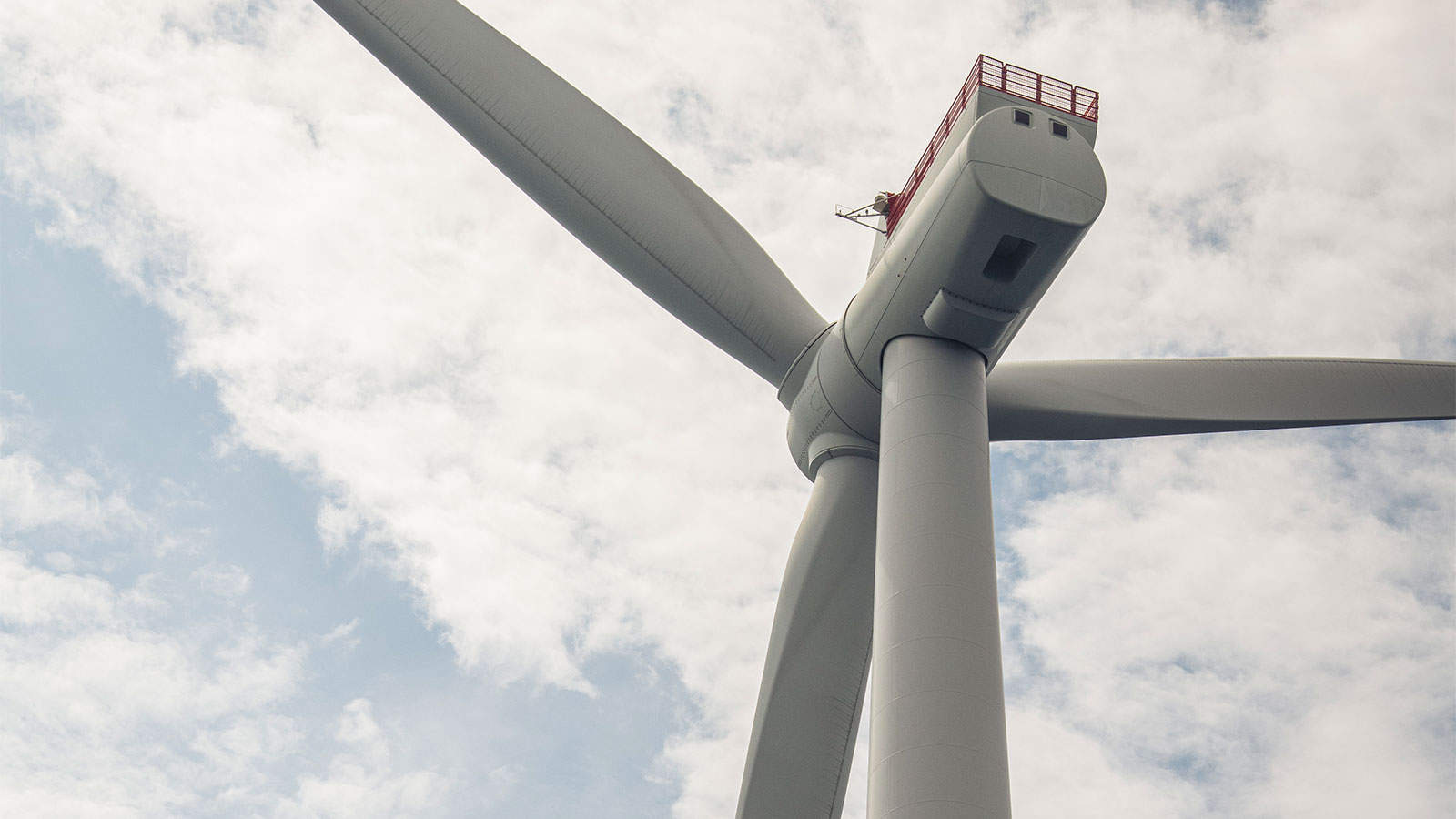
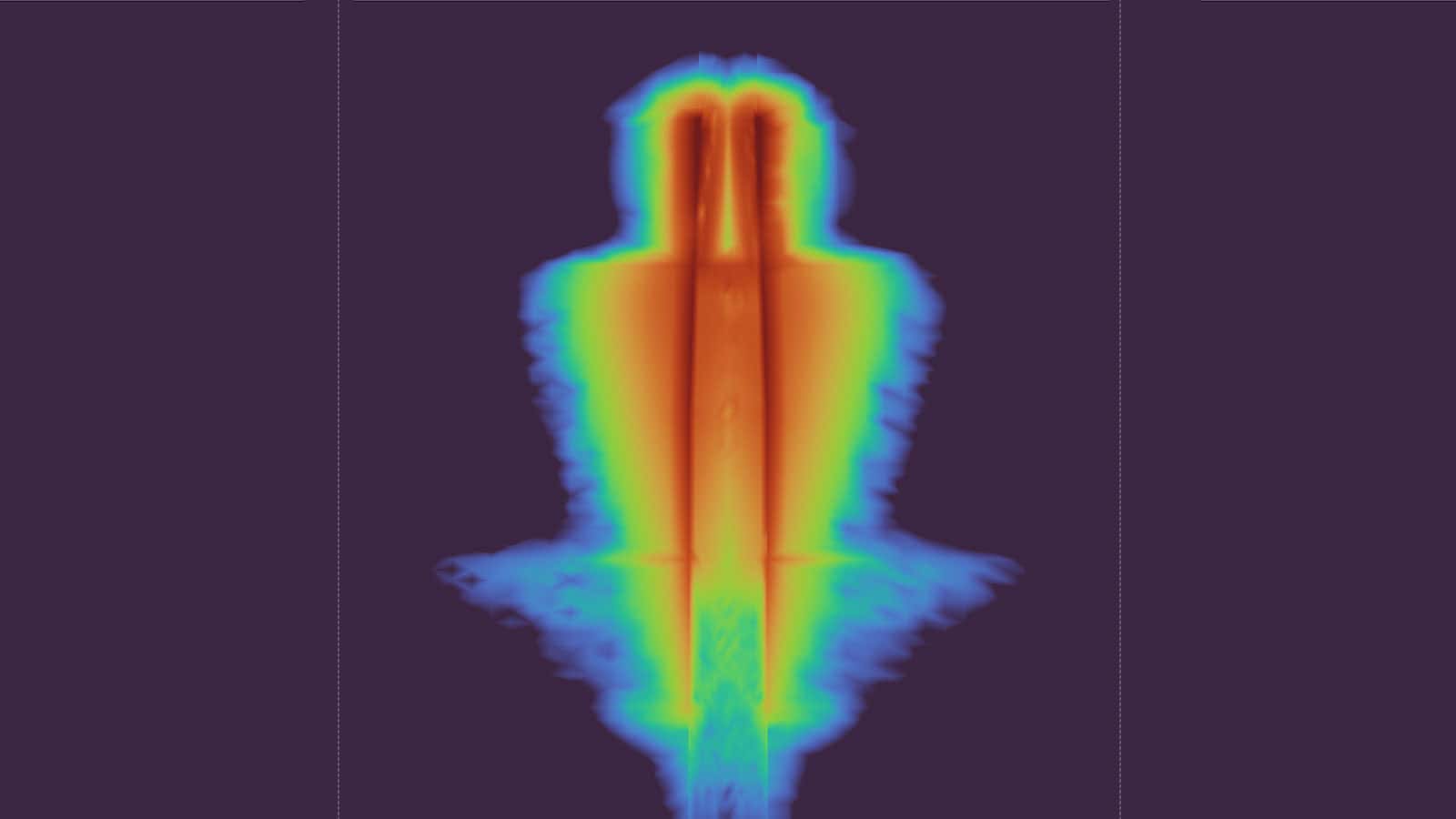
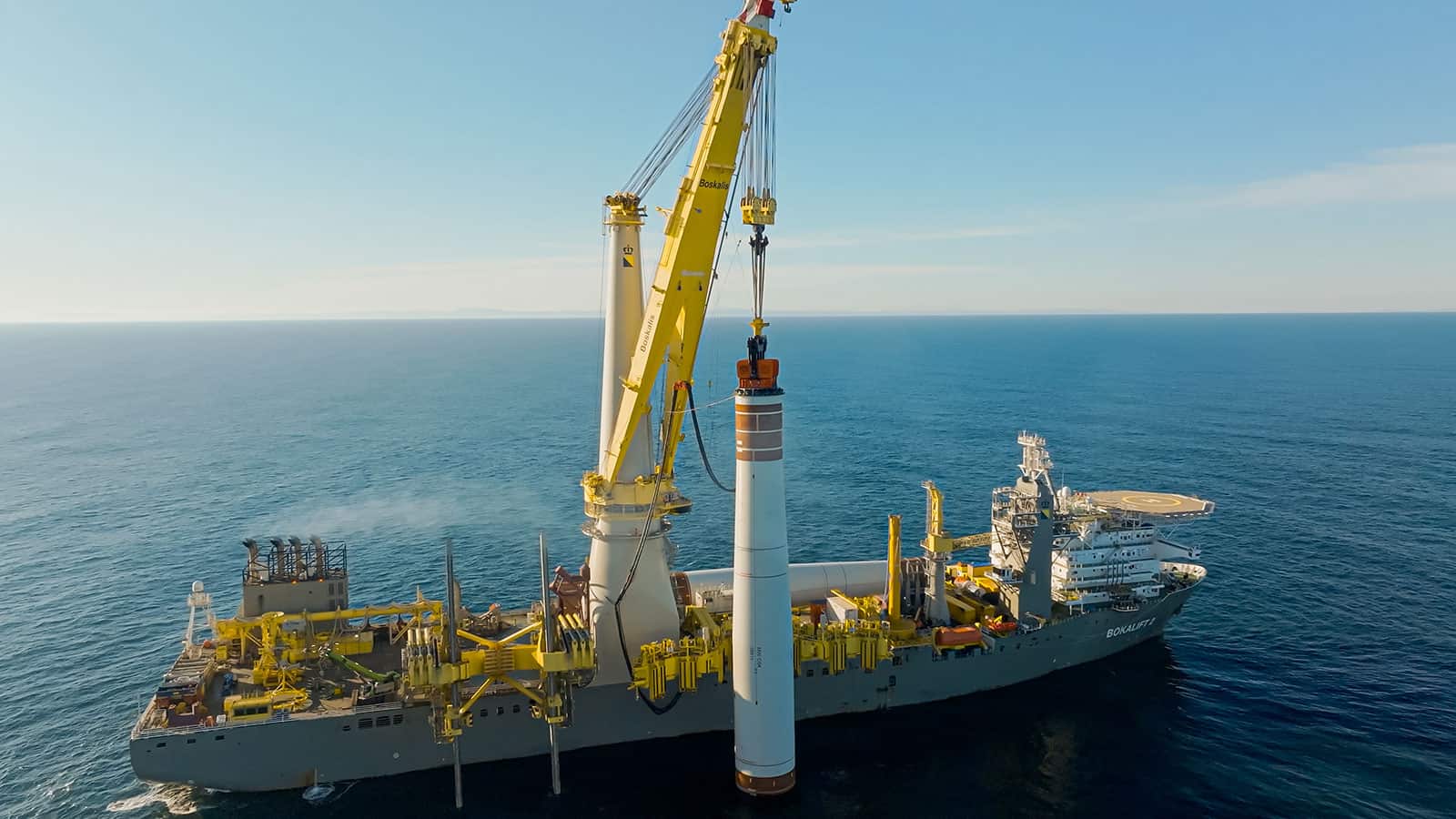
INSPIRE is working with Cape Holland to develop simulations of the sound field resulting from vibratory pile installation and investigate the extent of noise-induced behavioral responses in marine mammals compared to impact-hammer pile installation.


Learn how INSPIRE and Venterra use VAST, our 3D numerical physics based acoustic model, to predict underwater noise with industry-leading precision.

INSPIRE provides specialist desktop underwater acoustic modelling, impact assessment, and pre-construction decision-making services in support of offshore energy and marine infrastructure development, regulatory permitting, and mitigation optimization.
A 3D digital twin is a dynamic virtual model of real-world subsea conditions, built from image-based data, that enables ongoing visualization, analysis, and decision-making without repeated site visits—saving time, reducing costs, and improving environmental insight.